Shipping, Freight Forwarding and Customs Clearance in Nigeria: What Your Procurement Team Must Know
In Nigeria, procurement teams play a critical role that goes beyond sourcing...
 PafelNG
April 21, 2026
3 min read
PafelNG
April 21, 2026
3 min read
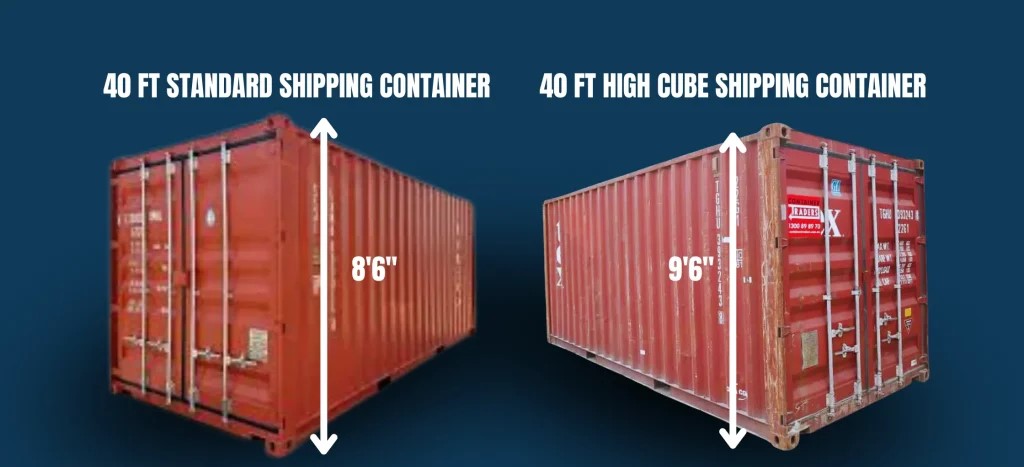
In the world of freight forwarding and international trade, container selection is not just a technical decision—it is a strategic one. Many importers and exporters focus heavily on freight rates, duty, and delivery timelines, yet overlook a simple factor that can significantly influence cost efficiency and cargo safety: the type of container used.
Two of the most common container options are the High Cube container and the Low Cube (Standard) container. While they may appear similar at first glance, their differences can directly impact cargo handling, shipping costs, and overall logistics planning.
Let’s break it down in practical terms.
A Low Cube container—commonly referred to as a standard container—typically has a height of 8 feet 6 inches. This is the traditional container used globally for general cargo.
A High Cube container, on the other hand, comes with an extended height of 9 feet 6 inches, giving an extra one foot of vertical space. This additional height may seem small, but in logistics, it makes a significant difference.
The primary distinction lies in height and volume capacity. High Cube containers offer more internal space, making them ideal for cargo that is bulky but not necessarily heavy. Low Cube containers, being more compact, are suited for dense and heavy goods.
From an operational standpoint:
High Cube containers allow for better stacking and accommodation of oversized cargo.
Low Cube containers are easier to handle in environments with height restrictions, such as certain warehouses or inland transport routes.
High Cube Containers
High Cube containers are best suited for:
Light but voluminous cargo (e.g., furniture, textiles, plastic products)
Machinery with height requirements
Project cargo that cannot be compressed
Key Benefits:
Maximizes cargo volume per shipment
Reduces the number of containers required
Improves loading flexibility
For a procurement or logistics manager, this translates to fewer shipments and better space utilization—both critical for cost control.
Low Cube Containers
Low Cube containers are ideal for:
Heavy cargo such as metals, machinery parts, and dense raw materials
Cargo where height is not a concern
Routes with infrastructure limitations
Key Benefits:
Lower risk of exceeding weight limits
Easier compliance with transport regulations
Often more readily available
In many Nigerian ports and inland delivery scenarios, this container type remains the default due to its versatility.
This is where strategic decision-making becomes crucial.
1. Freight Cost Efficiency
High Cube containers can carry more volume, which means cost per cubic meter is reduced. If your cargo is bulky, using a Low Cube container may result in underutilized space—essentially paying for air.
2. Number of Shipments
With High Cube containers, you may consolidate cargo into fewer units. Fewer containers mean:
Lower freight charges
Reduced terminal handling costs
Lower documentation and administrative expenses
3. Inland Transportation Costs
However, High Cube containers may attract slightly higher trucking costs, especially in areas with height restrictions or specialized handling requirements.
4. Demurrage and Storage Risks
Improper container selection can lead to poor cargo arrangement, delays in offloading, and ultimately demurrage charges at ports. Choosing the right container minimizes these risks.
5. Customs Considerations
While customs duties are generally based on cargo value (CIF), inefficient container usage can indirectly increase overall landed cost due to higher logistics expenses.
From a freight forwarding perspective, the choice between High Cube and Low Cube containers should never be random. It must align with:
Cargo nature (weight vs volume)
Route and infrastructure
Cost optimization goals
A well-informed decision here can mean the difference between a profitable shipment and an avoidable loss.
In Nigeria, procurement teams play a critical role that goes beyond sourcing...

Need to ship goods to Nigeria from anywhere in the world — fast, securely,...